For the past three weeks I have had the pleasure of getting to work with different classes at a local elementary school. I felt so privileged to be able to work in this school and meet some of the amazing staff, teachers, and students while teaching my three mini read aloud lessons.
Read alouds are a concept my class had been exploring through Molly Ness‘ Read Aloud For All Learners (2024). Read alouds offer many benefits to children of all ages, including enhanced vocabulary, literacy skills, identity as readers, critical thinking (and more included in Read Aloud for All Learners, 2024, page 4).
One quote that really resonated with me from Ness was “All students (and younger children) need the experience of having an adult read to them to access the benefits of read alouds. Outside school, read alouds may not be routine occurrences for all students.” (page 13). Growing up, one of my favourite things to do was listen to stories read by my parents, which really increased my interest in reading. This quote reminds me that outside of the classroom, not every student has that opportunity, which makes me strive to incorporate read alouds in my future practice, so all students can experience that joy!
Read Aloud Planning
The read aloud I am focusing this reflection on was my first lesson, where I was able to work with my upcoming practicum Grade 1/2 class. Below I have attached my completed Read Aloud Planning Template (Read Aloud For All Learners, 2024, page 102) which I used for this read aloud lesson!
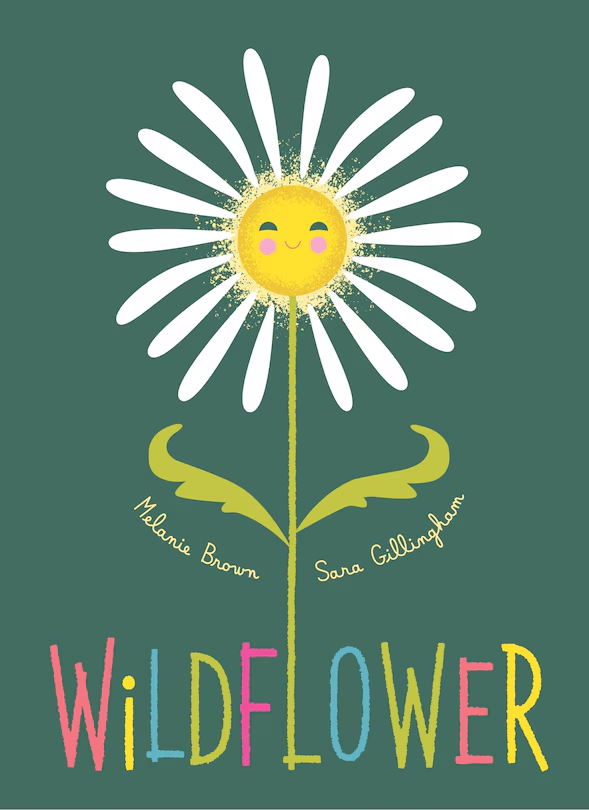
The lesson was based on a beautifully written book called Wildflower written by Melanie Brown and illustrated by Sara Gillingham. The book’s setting takes place in a garden where the main character, Daisy, struggles to feel like she belongs after being called a weed by other flowers. By the end of the book, Daisy learns that she, like other wildflowers, belongs in the garden just as much as anyone else. She recognizes that she is more than a weed and that all flowers have a purpose and are special in their own ways.
This book was so perfect to anchor the ELA, art, and social-emotional learning activity where students got to celebrate what makes them, uniquely themselves!
B.C. ELA Curricular Connections & FPPL
Core Competencies: Positive Personal and Cultural Identity
ELA Big Idea: Stories and other texts help us learn about ourselves and our families.
ELA Curricular Competencies: Create stories and other texts to deepen awareness of self, family, and community
ELA Content: oral language strategies, letter formation
First Peoples Principles of Learning: Learning requires exploration of one‘s identity.
Read Aloud Experience
After reading the book we had a class discussion about Daisy’s experience in the garden. We discussed what made her feel welcome versus unwelcome. Along with discussing her emotions and her self-worth throughout the story.
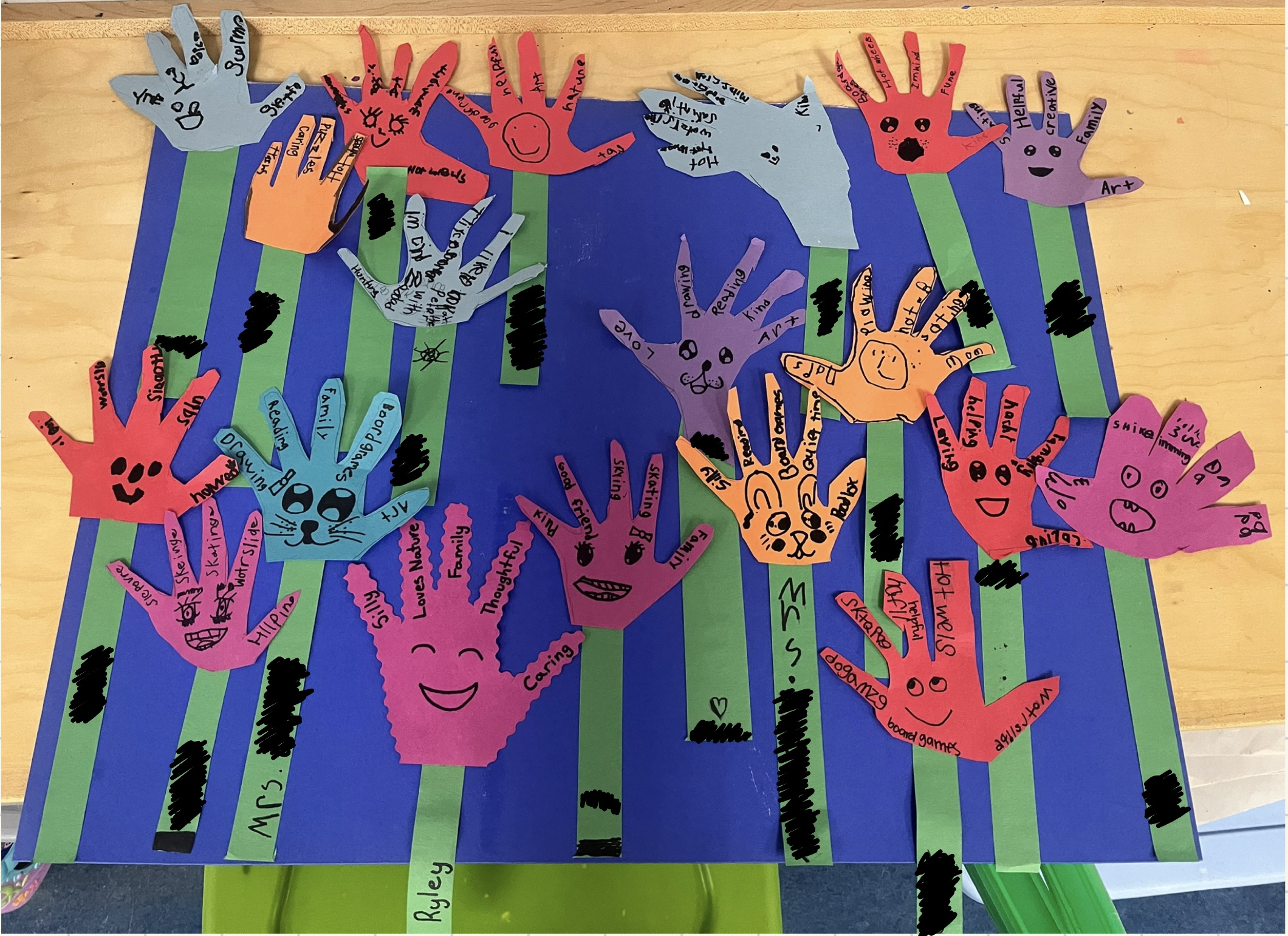
We then moved into a group brainstorm to celebrate what makes all of us unique – using examples of things we love and things we are! I then used the doc-cam to show students how to create their handprint flowers, tracing their hands, cutting them out, and writing five words to represent what makes them unique. Then students jumped into the art portion of the lesson. The students were all very engaged in the story and the art activity, which made this experience so much fun!
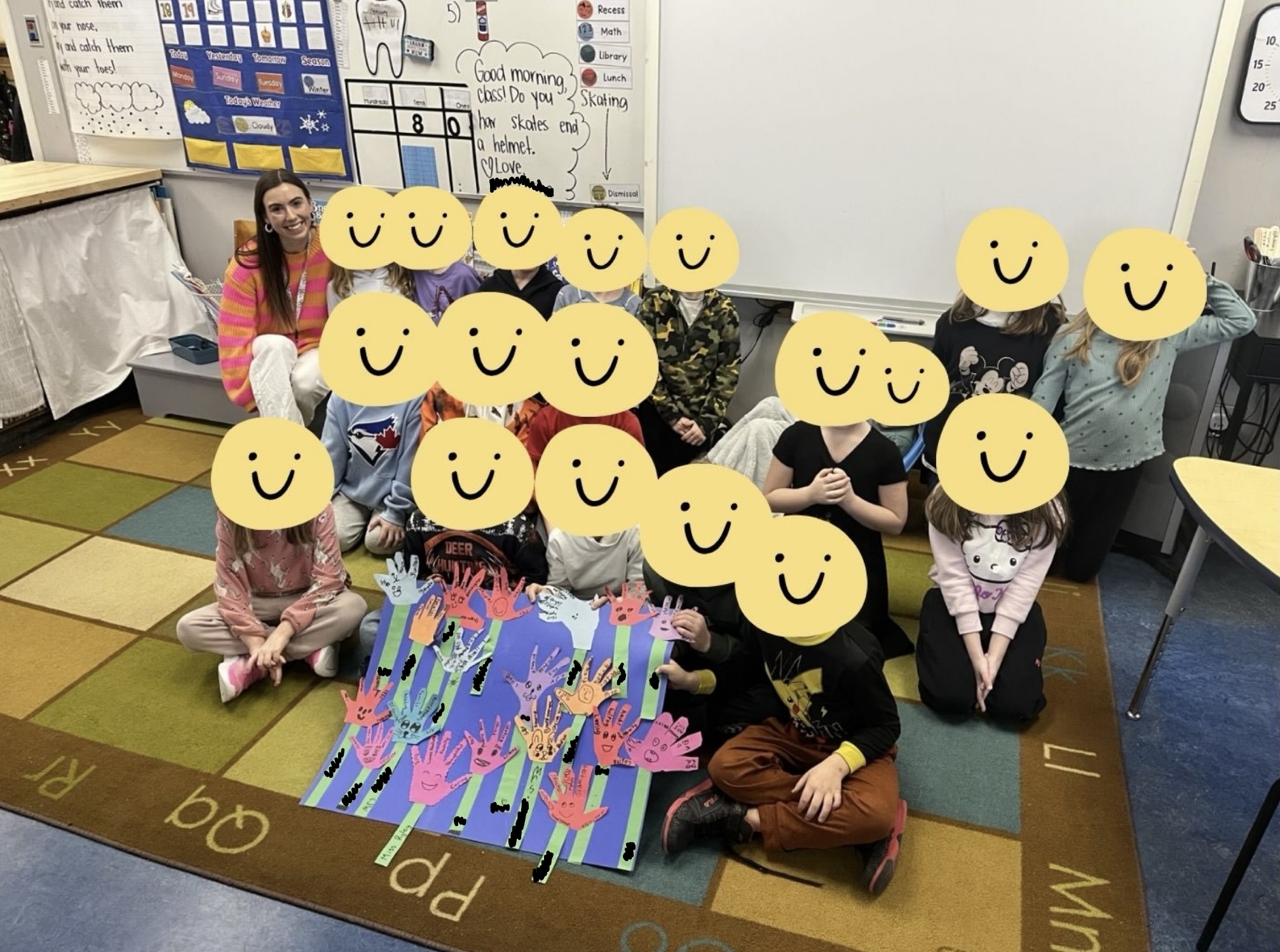
We concluded our lesson with a big class reveal where we discussed as a group how special it is that everyone in the classroom community is unique in their own ways and yet we all belong – ready to learn and grow together!
Reflection
What made this lesson a success was:
- Having all the materials laid out and ready to go
- Using visual instructions on the board for students to see what steps to do, in which order
- Group brainstorming – using the category ‘things I love’ made this project accessible for all learners <3
- EA and mentor teacher support!!
- Reminding students that this doesn’t need to be perfect and to just try their best
Next time, one thing I would do differently is ensure that the students stick to the 5 word limit. Some kiddos were very detailed, which I adored, but with this project, and their tiny handprints, adding lots of details made the handprints crowded and harder to read! To be more mindful of that, next time I would build in an extension writing activity for them to elaborate on their ideas if they chose to. I also think it would have been helpful to have two poster boards instead of one to prevent overcrowding.
Overall, these read aloud experiences were so positive and really showed me the power of reading to students. All the classes I worked with were so engaged, had so much fun listening to the stories and were able to make strong connections in our post reading activities. The teachers and staff at the school were so welcoming, I truly cannot thank them enough for opening their doors and having us in their classrooms.