This week we explored the critical need for building diverse classroom libraries. Teachers have a major responsibility when it comes to thoughtfully selecting their classroom books. We need to ensure ALL students see themselves represented in the stories we choose to highlight and share in our classrooms! Likewise, we need to go beyond that and expose our students to new perspectives and ideas to show them that the world, people, and cultures within it are broad and diverse. When we only highlight dominant perspectives we send messages that those are the stories we value and the rest become an after thought which can have lasting impacts on students and the way they move through the world.
Dr. Rudine Sims Bishop’s discusses the importance of cultivating diverse children’s literature to support all students in the classroom in her short video titled Mirrors, Windows and Sliding Glass Doors.
- Books that reflect readers’ own experiences and identity back to them. These stories help readers feel apart of something larger than themselves, tell them their lived experiences matter, and show them future possibilities.
- Books that provide a look into new worlds that differ from their own. They expand readers’ perspectives by introducing them to new ideas, experiences, interests, and can allow an entry point to social issues and other important topics.
- Books do more than allow readers’ to simply read the pages. With a little imagination readers can “step” into the story experiencing new worlds, events and perspectives through new lenses.
In Chapter 6 of Sometimes Reading is Hard, by Robin Bright (2021), she points out many benefits students receive when we highlight diverse literature in our classroom libraries:
- learning about new cultures, languages, and people
- learning about others’ experiences and seeing commonalities over differences
- boosting empathy
- learning about history and individuals which may be left out of the curriculum
- inspiring students
Mirrors, Windows, and Sliding Glass Door Books
Just Ask! Be Different, Be Brave, Be You by Sonia Sotomayor
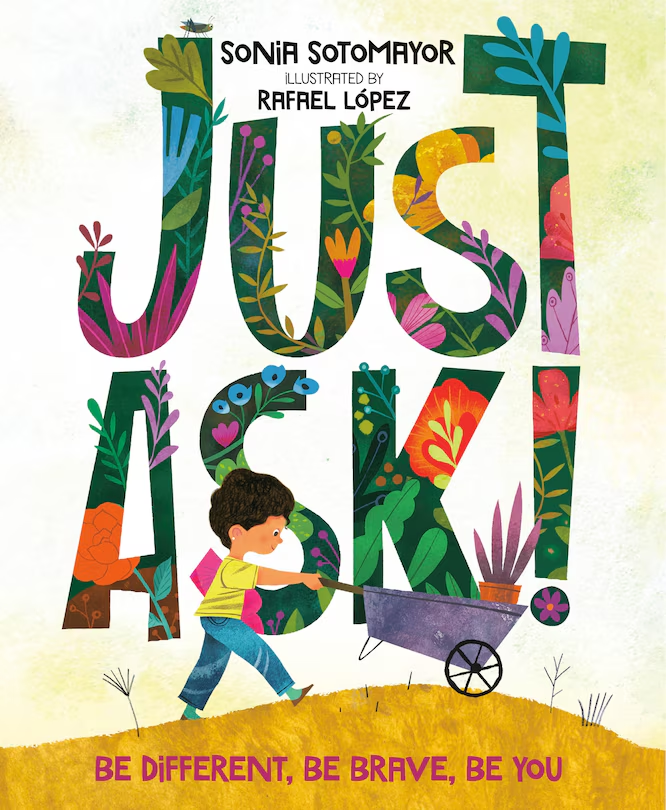
This story is about celebrating differences and promoting curiosity instead of judgement. It introduces a range of children with different abilities and shows the ways they navigate the world. Rather than focusing on limitations, the book highlights each child’s strengths and the unique gifts they bring. It encourages readers to see other’s differences as something valuable and to celebrate their own uniqueness! This book can be used in the classroom to support SEL by promoting empathy, kindness, and being open-minded.
Our Class is a Family by Shannon Olsen
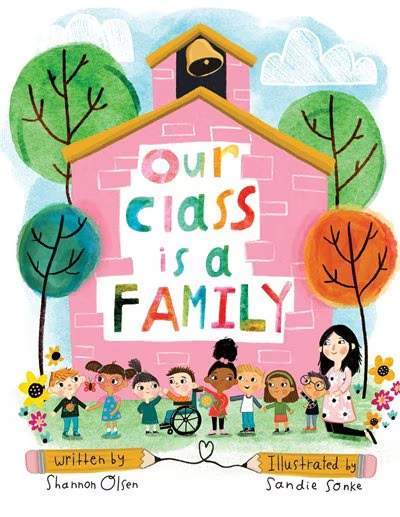
This picture book would be perfect to read at the start of the school year! It discusses how although students are not related, they spend time learning, playing, and growing together, supporting each other through the ups and downs, just like families do. This book promotes classroom belonging through kindness, teamwork, and acceptance. It teaches students no matter who they are, they belong in the classroom, supported by their teachers and peers to learn and grow.
The Skin You Live In by Michael Tyler

This rhyming book can be used to teach young readers that all skin colours are beautiful, promoting diversity and self-acceptance. The story encourages readers to see that while skin colours can be broad and diverse, we are all human and we share many of the same life experiences. It promotes the idea that appearance is not the most important thing and what matters most is who we are on the inside. This book promotes belonging and acceptance of differences supporting SEL and inclusion for young readers!
Chapter 10 of Powerful Thinking by Adrienne Gear (2024) also supports the idea of building diversity in classroom libraries by including Indigenous texts. The chapter discusses two teachers who had the goal of including Indigenous perspectives throughout their practice and using picture books as an entry point to facilitate this! Being apart of the EKTEP (East Kootenay Teacher Education Program), this deeply resonates with me and reflects the ideas shared by many of my instructors. I want to meaningfully weave Indigenous perspectives throughout my teaching rather than only including them in isolated lessons. To do this well, it is essential to use authentic Indigenous texts, written by Indigenous authors, not just about Indigenous Peoples. As Roxanne Harde wrote in her Putting First Nations Texts at the Center article, “I dumped books by the well-meaning white people who appropriated Indigenous lives and cultures and created Native protagonists who were more objects of social studies than fully developed subjects” (2016). This quote reinforces the importance of authenticity. Meaningful representation comes from people sharing their own lived experiences and cultures, not from well intentioned outsiders writing about others that they no little about.
Authentic Indigenous Books
A Day with Yayah by Nicola I. Campbell
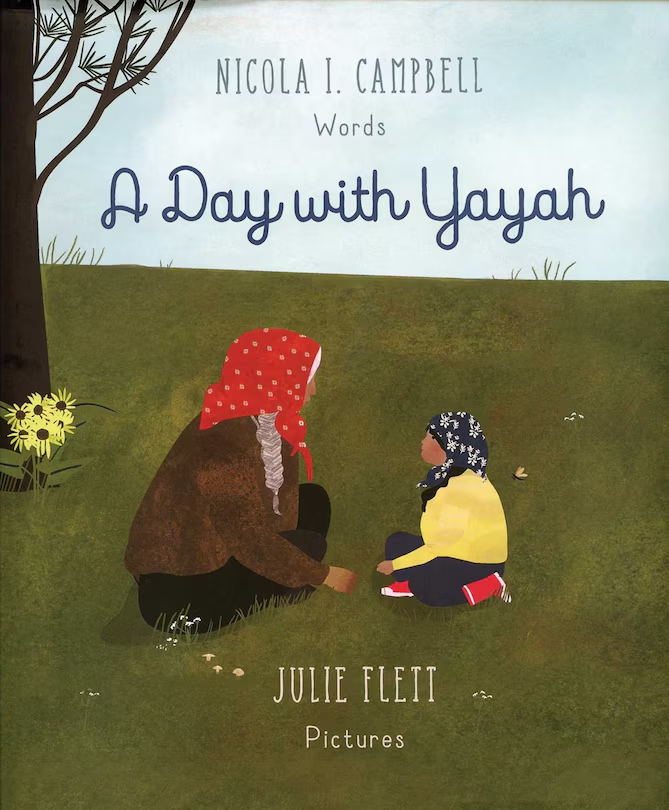
This picture books follows the story of family spending the day on the land. The family forages, learning lessons from their grandma (Yayah) about respectfully harvesting and taking care of nature. The book highlights Indigenous ways of knowing, including Nłeʔkepmx language for plant species, the idea that everything in nature is connected, and that land is a relative that must be treated with care not just a resource to take from. The book includes themes such as intergenerational knowledge, reciprocity, and stewardship. This book beautifully suits both Science and Social Studies curriculum, exploring plants, land, and Indigenous perspectives.
When We Were Alone by David Robertson
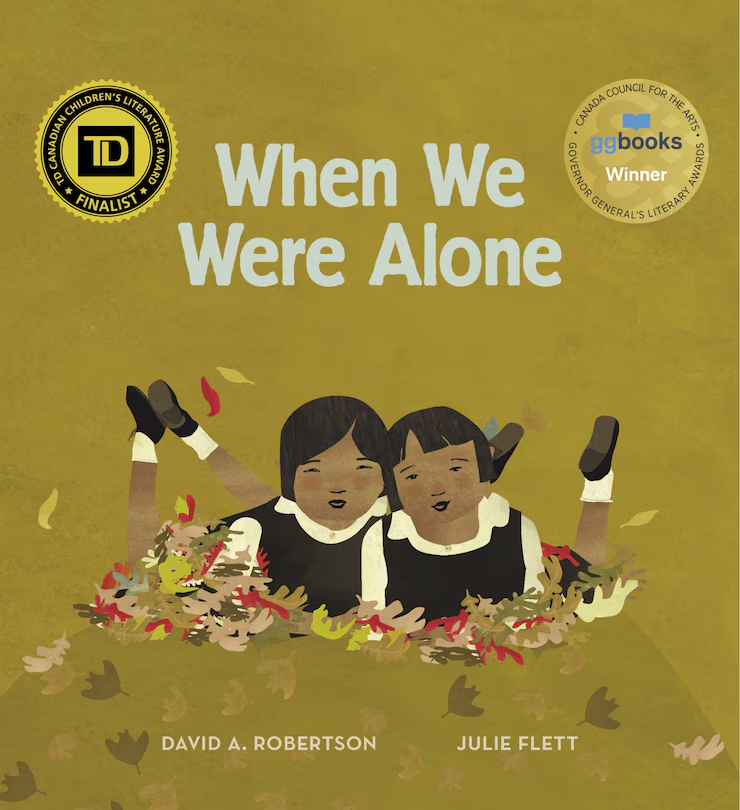
This story is about a young girl who notices things about her grandmother, leading into conversations about the treatment Indigenous Peoples in Canada encountered while at residential schools. This story can be used as a gentle entry point for younger elementary students to learn more about the historical and lasting impacts Canada’s residential schools forced onto Indigenous Peoples, supporting Truth and Reconciliation and tying to the Social Studies curriculum.
Sometimes I Feel Like a River by Danielle Daniel
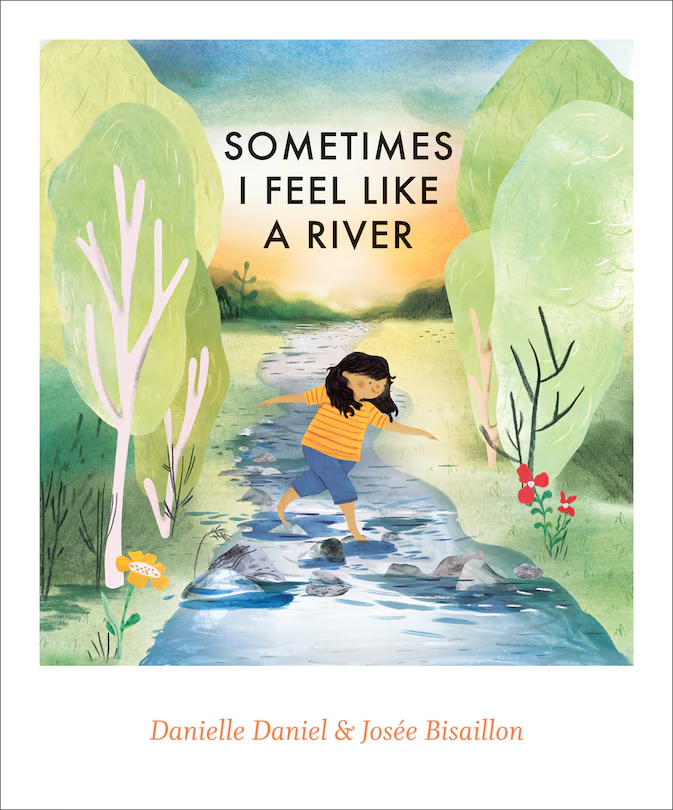
This picture book explores emotions by connecting to the natural world. The story discusses an array of emotions teaching readers that emotions are natural and changing. By not naming different emotions as good or bad it normalizes the feelings we all experience and highlights that emotions shift, just like aspects of nature. The book can be used to discuss navigating emotions, promoting SEL outcomes, and also teaches First Peoples perspectives by connecting people to nature and the land. It could also be used to discuss landforms and features of nature to connect to the Science curriculum.